

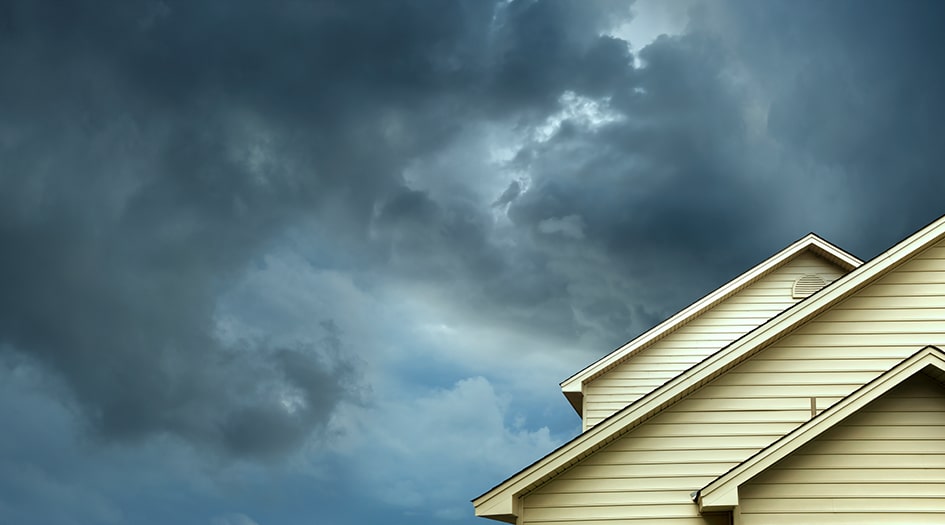
It’s no secret that climate change is leading to more frequent and more severe weather events and catastrophes around the world. Here in Canada, some of the most obvious examples include an increase in wildfires, more extreme heatwaves, and flooding. Consider these tips to make sure you’re prepared to protect your home in case of a major weather event in your neighbourhood.
Get the coverage you need before you need it
Insurance, in a nutshell, is planning for the worst and hoping that it never happens. When clear skies are in the forecast, reviewing your insurance policy might not be top of mind, but it’s essential that you have the right coverage in place before the worst happens. This means reviewing your policy to make sure it covers as many perils as possible and that your coverage limits still make sense for your situation — especially if you’ve recently acquired new specialty items that might not be covered by your typical policy.
It’s worth noting that, during extreme weather events, some insurance companies may put a hold on new coverage so they can dedicate their resources to existing customers. This means your broker may not be able to update your existing coverage or sell you a new policy, even if they want to. It’s best not to wait until you see storm clouds rolling in to make sure you have the coverage you need.
Find out if you need additional coverage
Most basic home insurance policies include coverage for damage caused by fires, windstorms, hurricanes, tornadoes, and other common weather events. However, there are a few types of damage that are becoming more and more common but aren’t always automatically included, like damage caused by overland water or sewer backup, for example. Review your policy, then consider asking your broker if you qualify for these coverages if you don’t already have them:
Overland water coverage
Overland water coverage is designed for damage caused by excessive rain, overflowing rivers, spring run-off, and melting snow. It usually excludes damage caused by saltwater, including tidal waves and tsunamis.
Sewer backup coverage
Sewer backup coverage is generally set up to protect you from loss or damage to your property when caused by the backing up or escape of water from a sewer, drain, sump pump, or septic system.
Learn what to do before, during, and after extreme weather events
Check out these handy guides to help you prepare for wildfires, tornadoes, hurricanes, windstorms, snowstorms, and ice storms.

Need help reviewing your home insurance policy to get the most out of your coverage during extreme weather events? Your licensed broker can help, so contact them today — before the storm clouds roll in.
-
 March 4, 2025
How to choose the right vehicle for a teenage driver
Consider these tips while shopping for a vehicle for your teen to keep them safe on the road. -
 February 19, 2025
5 must-dos for downsizing your home
Follow these tips to downsize your stuff before making the move to a smaller home. -
 January 15, 2025
How to safely use your wood burning fireplace this winter
Stay cozy and safe all winter long by following these tips on how to properly maintain and operate your wood burning fireplace.
Are you a group insurance customer? Contact your group’s administrator or broker.