

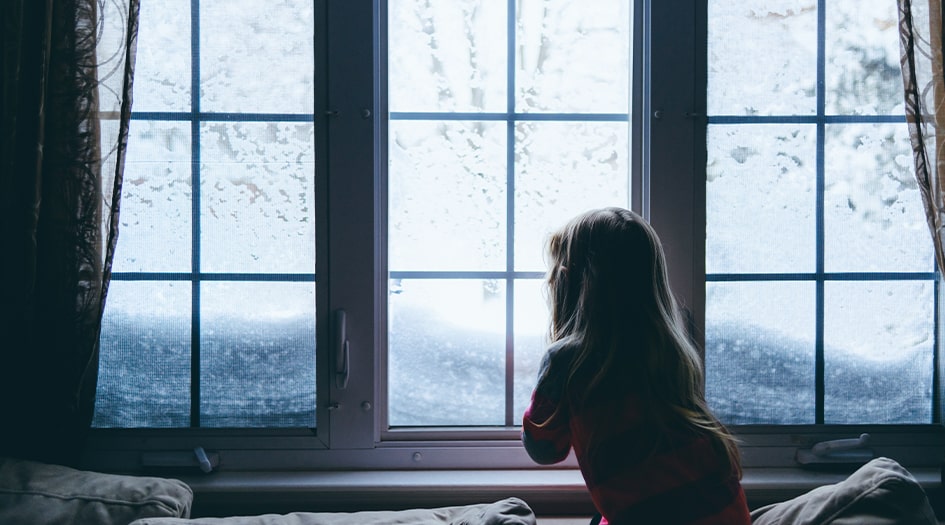
’Tis the season for snowstorms and blizzards. Here are some simple steps you can take before, during, and after a major snowfall to protect your space and keep your family safe all season long.
How to prepare before a snowstorm or blizzard
It’s a good idea to stay prepared for severe weather all winter long. Take these steps as soon as possible so you’ll be ready if a major snowstorm hits:
-
Stock up on de-icing products and keep shovels close by. Stores often sell out of salt, sand, and other de-icing products after a big snow storm, so it’s best to stock up ahead of time. You might also want to consider keeping your shovels indoors in case you need to dig through deep snow to get out of your house after the storm.
-
Install your winter tires. When the roads are slick and snowy, winter tires can mean the difference between a close call and a fender bender. It’s best to install your winter tires before the temperature drops below seven degrees Celsius — if the temperature has already dropped, install them as soon as possible.
-
Prepare your winter driving emergency kit. Review this list of 10 items to keep in your car for the winter and get them all organized in your trunk.
-
Prepare for a power outage. Severe snowstorms can lead to power outages. Familiarize yourself with these tips for dealing with a winter power outage and make sure your family knows what to do if the power goes out.
-
Keep an eye on your local weather forecast. Look out for government-issued special weather statements and warnings about winter storms so you aren’t caught by surprise.
-
Get your winter emergency kit ready. If you can’t leave the house or the power goes out during a blizzard, you’ll want to have at least three days’ worth of supplies available for each member of your household (including pets).
Keep these items in your family’s emergency kit:
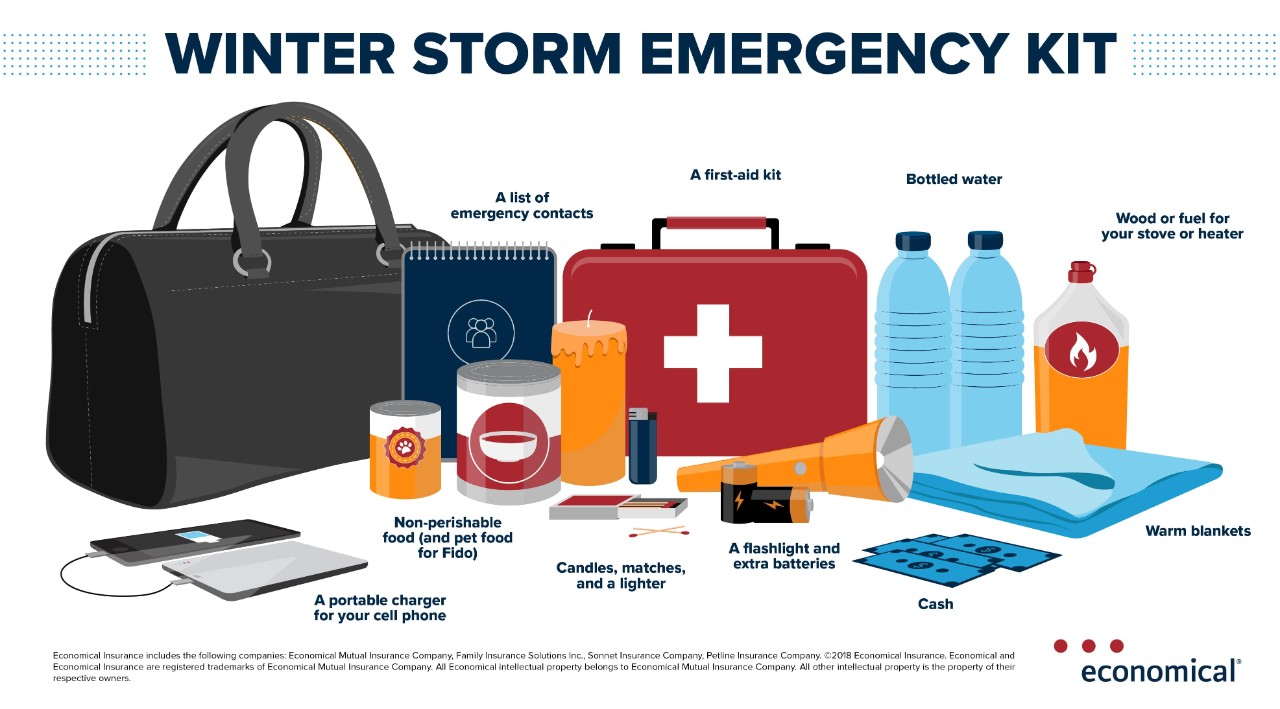
Winter storm emergency kit
- A portable charger for your cell phone
- Cash
- Wood or fuel for your stove or heater
- A list of emergency contacts
- A first aid kit
- Bottled water
- Candles, matches, and a lighter
- A flashlight and extra batteries
- Warm blankets
- Non-perishable food (and pet food for Fido)
What to do during a snowstorm or blizzard
Once the snow has started coming down, keep these tips in mind:
-
Cozy up in a safe space and wait out the storm. It’s best to stay inside during a major snowstorm or blizzard, as visibility could be decreased and sidewalks, roads, and other surfaces will likely be slippery.
-
If you have to go outside, make sure you can find your way home. When heavy snow is blowing and creating whiteout conditions, it could be difficult to find your way home if you have to go outside (to an outbuilding on your property, for example). Consider tying a rope to your front door and carrying it with you while you walk so you can use it as a guide to get back home in a whiteout.
-
Keep pets indoors as much as possible. Bring outdoor cats inside, and if you have to take your dog for a walk, consider these tips to keep them safe and warm. When visibility is reduced, you should also keep your dog on a leash to make sure they don’t get lost in the snow.
-
Stay off the roads. Snow can make roads slippery and reduce visibility, making it dangerous to drive. If you absolutely have to drive during a blizzard, proceed slowly and leave lots of room between your vehicle and the one in front of you. If at any point you can’t see what’s in front of you, pull over and wait until conditions become clearer. If your car gets stuck, stay inside and open the window slightly on the sheltered side (facing away from the wind) to allow some fresh air in. You can run your car’s engine for about 10 minutes every half-hour — but only if the exhaust system is not blocked with snow.
-
If you have to go outside, avoid overexerting yourself. Overexertion in bitter cold temperatures can lead to hypothermia and other medical issues.
What to do after a snowstorm or blizzard
After snow has stopped, you might be tempted to get out of the house to shovel your sidewalks or go to the store to re-stock your supplies. Consider these tips before you head outside:
-
Dress appropriately for the weather. There’s a good chance it’s still pretty chilly outside, so make sure you’re wearing warm enough clothing. Wear warm, waterproof boots with good tread, as sidewalks, parking lots, and roads are likely to be wet and slippery.
-
Clear your sidewalks. Shovel your sidewalks and walkways (or use a snowblower if you have one), then apply a de-icing product to help melt any ice and prevent slips.
-
Stay off the roads if possible. After a major snowstorm, it can take communities a while to plow their roads. Avoid driving as much as possible until roads have been cleared and coated with salt or sand. If you have to drive somewhere, go slowly and stick to major routes that are more likely to be clear.
-
Check for a buildup of snow and ice on your roof. Ice dams can do serious damage to your home, and they shouldn’t be ignored. If you notice a buildup of ice or snow on your roof, consider hiring a professional to safely remove it.
-
Contact your insurance broker if your car or home has been damaged. If it’s outside of your broker’s regular business hours, contact your insurance company’s 24-hour claims service line.
If you’re wondering how your home insurance policy could protect you if your home or car is damaged as a result of a snowstorm or blizzard, contact your licensed insurance broker today.
-
 March 4, 2025
How to choose the right vehicle for a teenage driver
Consider these tips while shopping for a vehicle for your teen to keep them safe on the road. -
 February 19, 2025
5 must-dos for downsizing your home
Follow these tips to downsize your stuff before making the move to a smaller home. -
 January 15, 2025
How to safely use your wood burning fireplace this winter
Stay cozy and safe all winter long by following these tips on how to properly maintain and operate your wood burning fireplace.
Are you a group insurance customer? Contact your group’s administrator or broker.