

Natural disasters, like hurricanes, wildfires, floods, and tornadoes, can be devastating. Destroying infrastructure and often disrupting everyday life, it can feel like everything is still spinning out of control, even after the emergency is over. Luckily, seeking assistance from local authorities, working together with your community to rebuild, and prioritizing self-care can help reduce stress.
If you’ve recently been affected by a natural disaster, follow these steps to prioritize your mental health:
-
Rest and try to keep a regular schedule. After a traumatic event, it’s more important than ever to try to keep a routine, eat a balanced diet, drink water, and get plenty of sleep. Taking care of your basic needs allows your brain and body to recover so you can reduce stress and feel better.
-
Connect with local mental health support systems. If you’re feeling stressed, anxious, depressed, or experiencing symptoms of post-traumatic stress disorder (PTSD), reach out to a local mental health professional for support This is an external link. A psychologist, psychiatrist, social worker, or mental health worker can help you come to terms with the emergency and develop coping mechanisms to manage ongoing stress as you work to rebuild your confidence, community, and home.
-
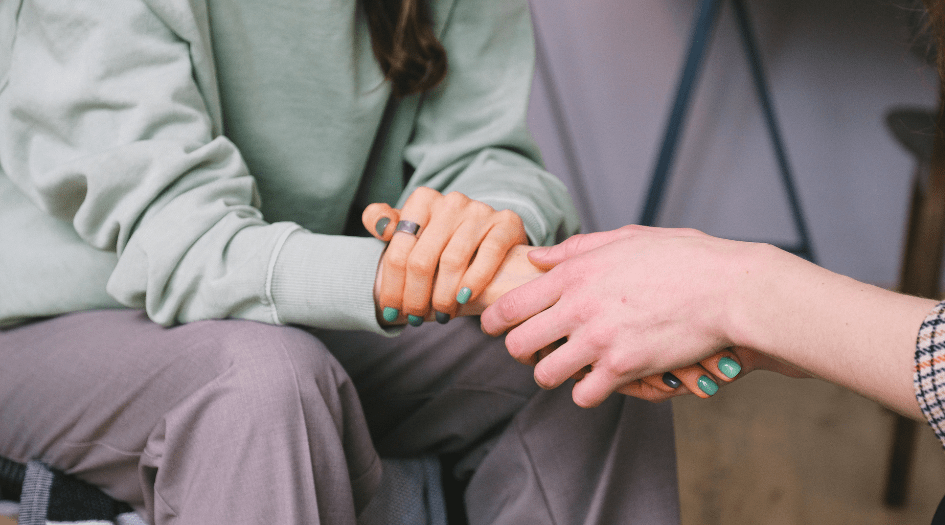
Reach out to loved ones for help. You don’t have to endure stress and fear after a natural disaster. Rely on your friends, family, neighbours, and others in your community who are also going through a similar experience for additional support. They likely are going through the same feelings as you. Together, you can strategize ways to get through this stressful time.
-
Stay informed. Knowledge is power. Tune into your local news stations, communicate often with your neighbours, and follow your local authorities on social media to get the latest updates.
-
Take part in relaxing self-care activities. Try to participate in activities that are soothing and can take your mind off the emergency clean-up. Painting, reading, calling a friend, knitting, doing yoga, or any gentle activity can help ease stress and give you a necessary break.
-
Allow yourself to grieve. It’s important to accept your feelings and process what you’ve been through. Injuries, property loss, damage, reduced quality of life, and death from a natural disaster can lead to immense grief. Make sure to express these feelings and communicate openly with your support system so you can move forward from this traumatic experience.
-
Gain back control by preparing for the future. There are many unknowns with natural disasters — including knowing if you’ll be affected, how severe the damage will be, and when repairs can be made. Alleviate any stress about future natural disasters by preparing an emergency kit, creating an emergency response plan for your household, and understanding your region’s risks for future natural disasters.
After a major natural disaster, your licensed insurance broker is here to help and reduce stress. Reach out to your broker for more information on how your home and car insurance policies can protect you in an emergency.
-
 February 19, 2025
5 must-dos for downsizing your home
Follow these tips to downsize your stuff before making the move to a smaller home. -
 January 15, 2025
How to safely use your wood burning fireplace this winter
Stay cozy and safe all winter long by following these tips on how to properly maintain and operate your wood burning fireplace. -
 December 11, 2024
The ultimate packing list for a winter hiking trip
Hiking doesn’t have to come to an end just because summer does. Learn how to properly pack for a safe winter hiking trip.
Are you a group insurance customer? Contact your group’s administrator or broker.