

Whether you’ve had to evacuate your home because of wildfires, a storm, or another emergency, it’s important to pay close attention to any directions given by your local authorities. Keep these tips in mind to make the transition as smooth as possible before you leave your home, and after you’re told it’s safe to return home.
What to do before you evacuate
-
Make a plan. Create a detailed plan that includes an emergency meeting place, a copy of all important documents (including ID and health cards), a plan for any pets, a list of emergency contacts, and information on your family member’s health and medical needs.
-
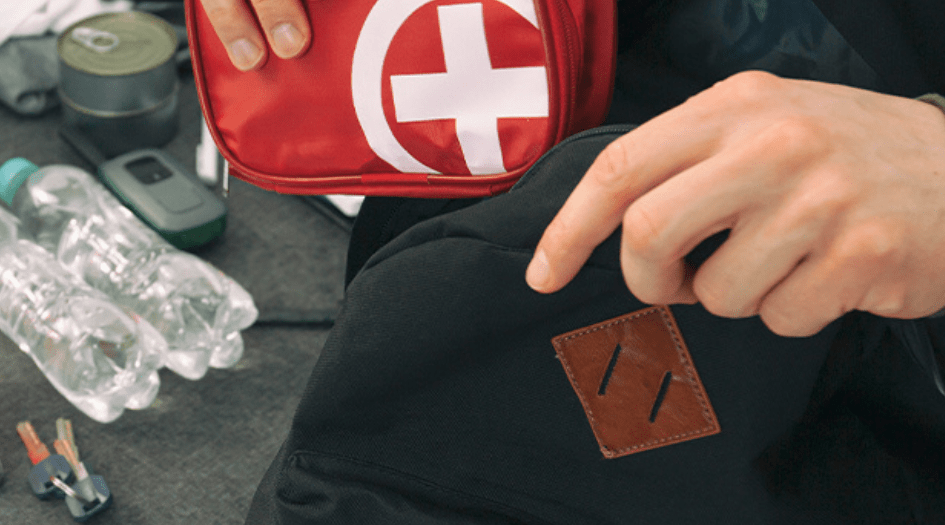
Pack some supplies. Have some basic supplies packed and ready to go to make your return a safe one. Try to have these items on hand before an emergency happens to avoid any last-minute trips to your nearest hardware or grocery store:
- Gloves
- Goggles
- Closed-toe shoes
- A cell phone (with a camera)
- A flashlight
- Bottled water
- Garbage bags
- A first-aid or emergency kit
What to do when you return home
-
Walk the perimeter. When you arrive home, walk around the perimeter before you go inside. Take note of any out-of-place electrical wiring, gas smells, or loose debris that may fall. If you notice downed power lines or a gas smell, call your hydro or gas company before entering your house.
-
Power down. Enter your house carefully and check that the main power breaker is turned off before you make your way through the rest of the house. If you have to use a generator, a charcoal grill, or another fuel-burning device, make sure you keep it outdoors, and in a well-ventilated area.
-
Don’t drink the water. Depending on the cause of the emergency, sewer systems, wells, and septic systems may not be working properly, and tap water may be unsafe to drink. It’s best to avoid drinking your tap water until your local officials have given the all-clear and avoid flushing the toilet until you know that your sewer or septic system is in good working order.
-
When in doubt, throw it out. Food and drinks inside your fridge or freezer may need to be tossed when you return home — especially if your house lost power or was exposed to heat, ash, smoke, or any of the chemicals used to put out fires. Canned items that are sealed and don’t appear damaged (look out for dents and bulges) should be wiped clean in case they’ve been exposed to any harmful chemicals in the air.
Did you know that your home insurance policy could help pay to replace the foods you have to throw away? Take pictures of anything you’re throwing out in case your insurance company needs details. -
Photograph the damage. If your home has sustained any damage, try to take detailed photographs before you begin cleaning up. This can help your insurance company when they’re assessing the damage.
-
Save receipts for additional living expenses. If you’re forced to leave your home in a government-ordered evacuation, your home insurance policy may include coverage for out-of-pocket expenses like food and a place to stay. Keep receipts for transportation, stays at a hotel or rental property, and any other costs you wouldn’t normally face while living in your own home.
-
Contact your home insurance broker. If your home has sustained any damage, your broker can coordinate with your insurance company to help you get repairs underway as quickly as possible. Be prepared to provide some important details about the damage to your broker or the responding claims representative from your insurance company.
For more tips on preparing for an emergency, check out the websites for your provincial and municipal governments This is an external link and the Canadian Red Cross This is an external link.
Related Blog Posts
View All Blogs
-
 February 19, 2025
5 must-dos for downsizing your home
Follow these tips to downsize your stuff before making the move to a smaller home. -
 January 15, 2025
How to safely use your wood burning fireplace this winter
Stay cozy and safe all winter long by following these tips on how to properly maintain and operate your wood burning fireplace. -
 December 4, 2024
How to prevent impaired driving during the holidays
Whether you’re attending a party or hosting one of your own, keep these tips in mind to promote sober driving during the holidays.
find a broker near you
Are you a group insurance customer? Contact your group’s administrator or broker.